Cinematic product film
Cinematic Product Video Without a Studio or a Film Crew
We turn one existing product photograph into short cinematic films: a 15–60 second vertical film for social media, or a 2–5 minute product-family film for your website, trade fair stand and sales meetings. Shape, proportions and materials stay true to your real product.
- Product film
- Social media video
- Trade fair video
- Company film
- Voice-over
- Subtitles
Service at a glance
- Input
- One product photograph, product page or datasheet
- Output
- A 15–60 second vertical film or a 2–5 minute product family film
- Approval
- The concept is approved at low resolution before production
- How to buy
- Add-on; per film or as a monthly volume
Summary
You send a product photograph, the product page or datasheet, your brand colours and the application you want to show. We write a scene-by-scene director script, produce it through a video-generation model, then edit, colour-match and brand the result. You approve the concept at low resolution before anything expensive is rendered.
Last reviewed:
What does a finished film look like?
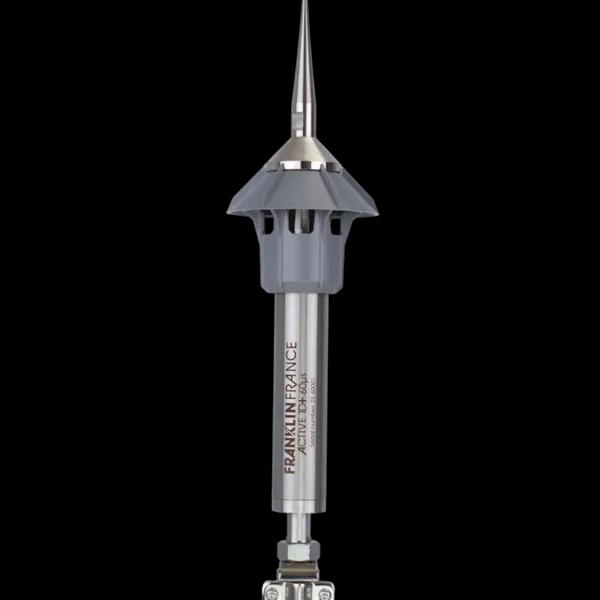
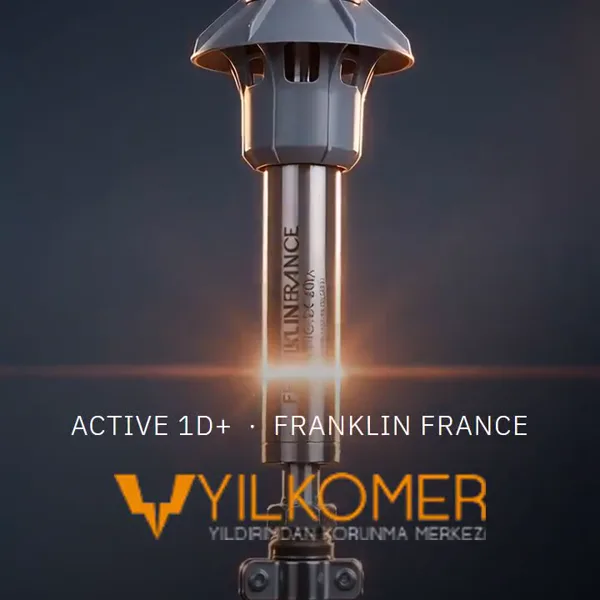
Here is a real project. For Yılkomer we turned one catalogue photograph of the Franklin France ACTIVE 1D+ lightning rod into a 30-second vertical film for social media. Drag the handle to compare the photograph we received with the finished film. The example is shown with Yılkomer's permission.
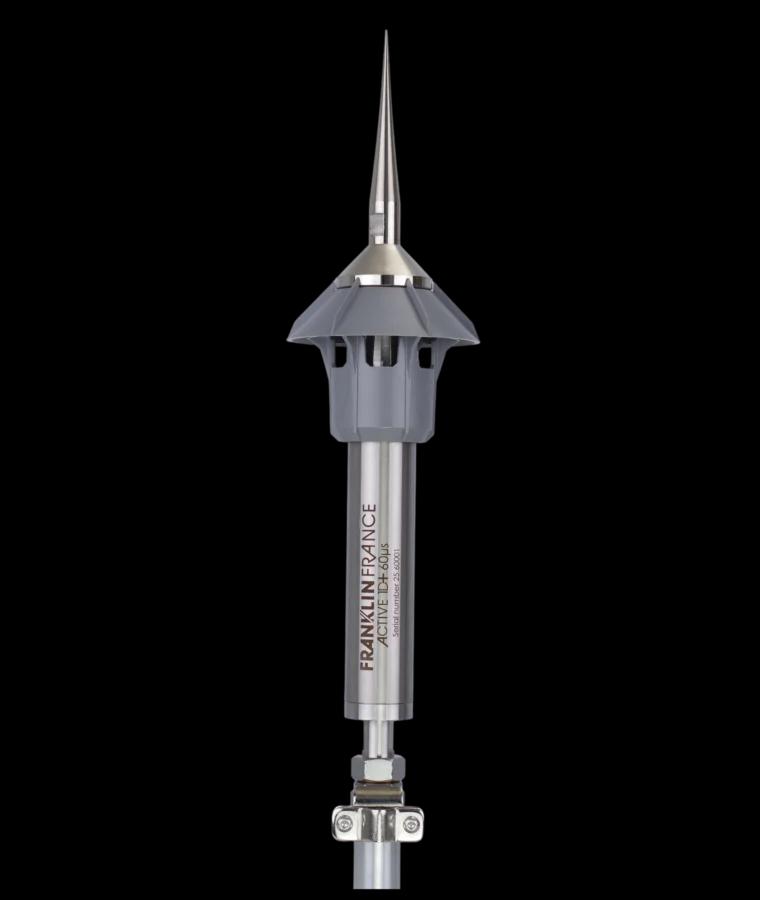 Before · catalogue photoAfter · 30 s film
How is the film produced?
Production runs as a written, reviewable sequence rather than a shoot: every scene is written down first, so you can read and correct the film before it exists. Concepts are approved at low resolution, before any expensive rendering.
1. Agree the story
It starts with your product photograph and a conversation of about 30 minutes: what the product does, who it is for and the one thing a viewer should remember. No studio, no film crew, no shipping the product.
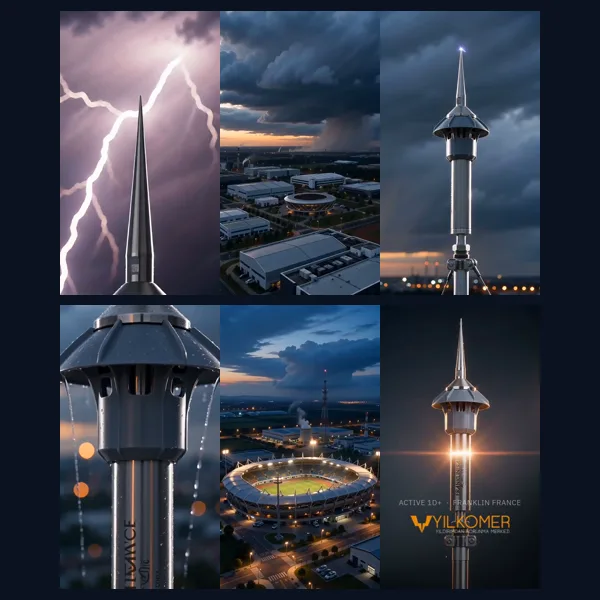
2. Write the scene script
Every scene gets shot type, subject, action, camera move, lighting and mood, in writing, before production.
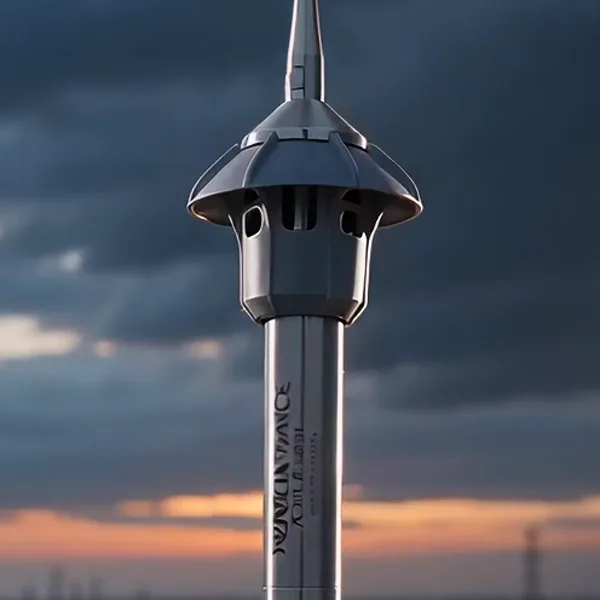
3. Approve at low resolution
You see the full film as a low-resolution cut and correct the concept while changes are still cheap.

4. Produce the scenes
Scenes are generated per shot through a video-generation model, driven by your own product image.
5. Edit, grade and brand
Cut, pacing, colour match across scenes, your brand colours worked into the grade, logo and end card.
6. Deliver and recut
A finished master plus the aspect ratios each channel needs, with optional voice-over and subtitles. The next product starts the cycle again from one photograph.
How do we keep the real product accurate?
The customer product image drives the generation. Shape, proportions, materials and markings are kept faithful to the real article, and every technical statement in the film comes from your datasheet or from a claim you have approved. A product film that misrepresents the product is worse than no film.
- Generation is conditioned on your own product photography, not on a generic look-alike
- Proportions, colours, connectors and markings are checked against the product photograph before delivery
- Every specification on screen comes from your datasheet; nothing implies a certification, rating or performance figure you have not documented
- No staged test results, and no scene that shows the product operating in a way it does not
- No competitor product, trademark or customer installation without written permission
Which scenes become possible that you could not shoot?
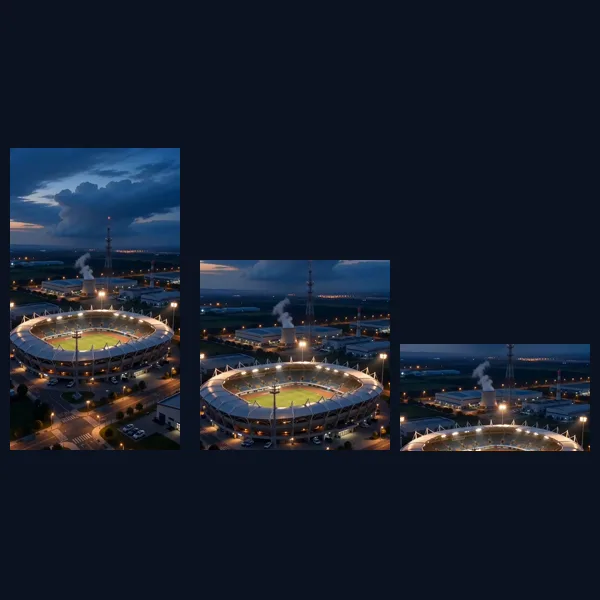
This is where the method earns its place. Environments that are impossible, unsafe or uneconomical to film — storms, lightning strikes, aerial views of infrastructure, hazardous plant, the inside of a process — become available at the same cost as any other scene.
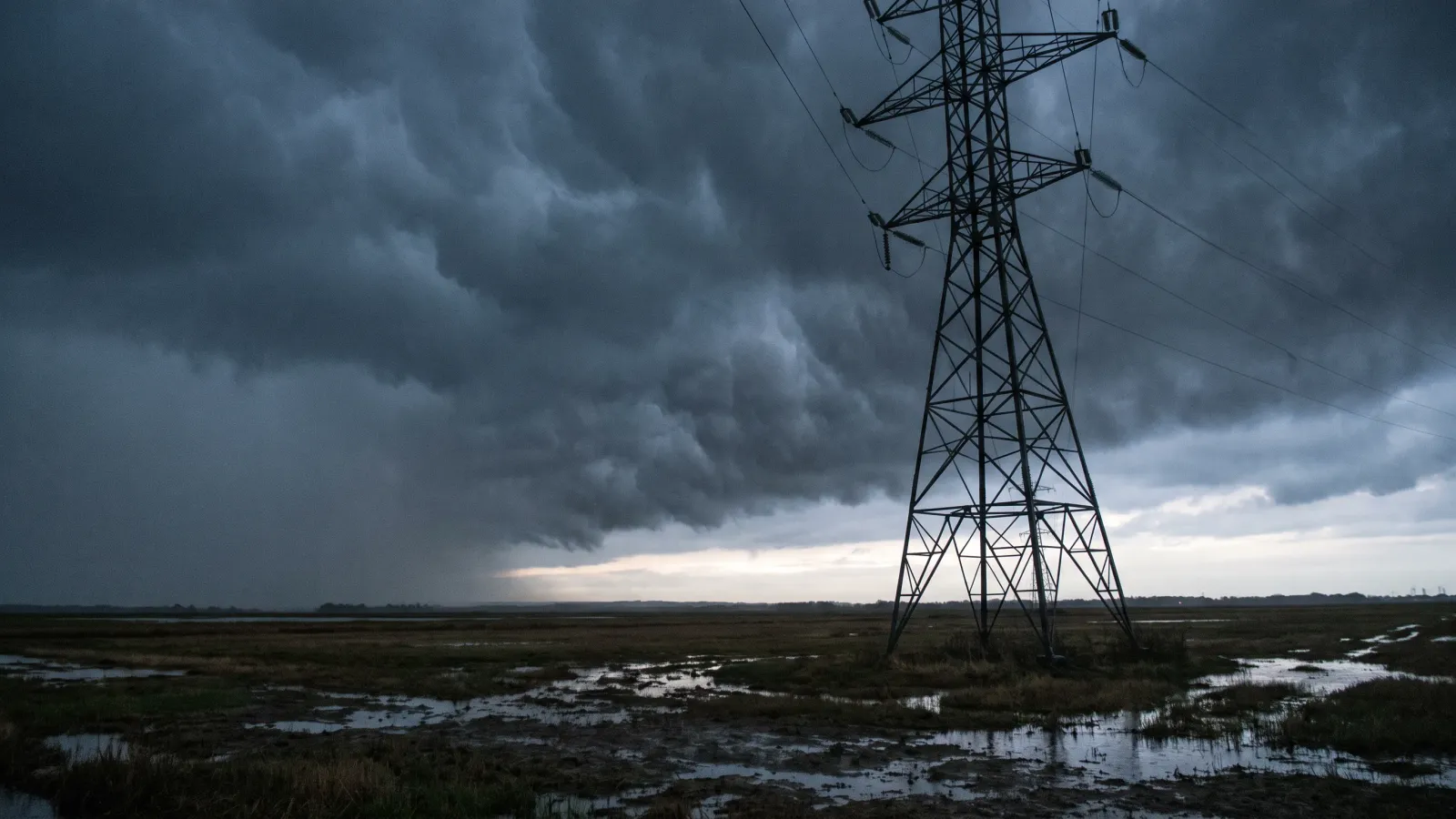
- Weather and season on demand: storm, snow, heat, night, fog
- Scale a set cannot give: substations, wind farms, plant halls, rooftops, offshore
- Environments nobody may film in: live installations, hazardous areas, clean rooms
- Views that do not physically exist: cutaways, internal flow, assembly in motion
- The same environment reused across a product family, so each additional film costs less
FAQ
Questions about cinematic video
What we need from you, how long it takes, what you own at the end and how this relates to conventional production. If your question is about written content instead, the technical content page covers that side.
What is the minimum we need to send you?
One good product photograph and the product page or datasheet. A sentence about who the product is for and which application to show makes the result noticeably better. We do not need the physical product, a studio slot or a shoot day.
Is this AI-generated video?
The scenes are produced through a video-generation model, yes. What you are buying is not the model: it is the scene script, the fidelity check against your real product, the edit, the colour grade and the brand work. A raw generation is not a product film.
Who owns the finished film?
You do. You receive the master file and the recuts and may use them on any channel without a time limit. We ask to show the work in our portfolio, and you can decline that in writing without affecting anything else.
How many films make sense to start with?
One. A single 30 second film is enough to see whether the approach fits your product and your audience. Films are an extra, ordered per film or as a monthly volume, on their own or alongside other services. Volume only makes sense once the first film has been judged.
Do you support trade fairs and product launches?
With film, yes. We make a 2–5 minute film for your stand and website and 15–60 second films for social media around a launch, both from one product photograph. We do not design stands or organise events.
Next step
Where does your technical expertise stand online today?
Start with a free intro call and visibility check. Before we talk, we look at your website, search presence and AI-search visibility; in the call we share what we found and which next step makes sense. No obligation.
Free · about 30 minutes · We reply personally and propose a time
- Human-led strategy
- Engineer-reviewed content
- Measured, not promised
Every engagement runs on the Vuerise Visibility Loop: a dated measurement on fixed questions, priorities set from the results, focused improvements, then the same questions measured again.