Industries
Digital Visibility for Industrial B2B Companies
We work with technically complex B2B companies: electrical equipment and panel manufacturers, electronics manufacturers, power electronics, industrial electronics and automation, embedded systems, solar, wind and battery storage companies, EV charging station manufacturers, machine builders, technology suppliers and distributors, electrical and construction contractors, HVAC and mechanical contractors, manufacturers of building materials, cables and lighting, and measurement and test equipment, and metalworking and component suppliers. What they share is expertise that is stronger than their digital presence.
Summary
The sectors differ in products and standards, but the challenge is the same: complex products, several decision-makers, long buying cycles and valuable knowledge that stays offline. We adapt content, channels and question research to each sector's potential customers.
Last reviewed:
Which sectors do we serve?
Our focus is engineering-driven industrial brands rather than one narrow niche. We group the sectors in five: electrical and electronics; power electronics, automation and embedded systems; renewable energy, energy storage and charging; machinery, metalworking and technology supply; construction and building. Each card shows who the sector sells to, the work that typically matters there and the services that fit.
Electrical and electronics
Electrical equipment and panel manufacturers · Electronic component manufacturers and distributors · Electronic product manufacturers (EMS and OEM) · Cable and lighting manufacturers
Electrical equipment and panel manufacturers
Companies that make switchgear, panels and cable systems. They sell to contractors, project engineers and distributors.
Services that fit
Typical work
- Product selection guides and installation FAQs
- Counting materials and preparing quotes from project drawings
- Finding product codes and equivalents in price lists
Electronic component manufacturers and distributors
Manufacturers and distributors selling components to design engineers, purchasing teams and EMS providers.
Services that fit
Typical work
- Datasheet-based product pages and comparison tables
- A tool that suggests equivalents for a competitor's part number
- Draft quotes from bills of materials sent by e-mail
Electronic product manufacturers (EMS and OEM)
Companies building under their own brand or as contract manufacturers. They sell to OEMs, brand owners and purchasing teams.
Services that fit
Typical work
- Capability, process and quality pages
- Short films that show the product and its production
- Moving e-mailed or PDF orders into the ERP
Cable and lighting manufacturers
Companies that make power and data cables, cable accessories and light fittings. They sell to contractors, architects, project engineers and distributors.
Services that fit
Typical work
- Selection guides by cross-section, application and installation environment
- Matching product codes from a project list and drafting the quote
- Product pages based on datasheets; certifications only once verified
Power electronics, automation and embedded systems
Power electronics · Industrial electronics and automation · Embedded systems · Measurement and test equipment manufacturers
Power electronics
Makers of inverters, power supplies, converters and charging equipment. They sell to system integrators, OEMs and energy project developers.
Services that fit
Typical work
- Technical explainers and selection guides
- Application articles, citing standards only after verification
- A product film from one product photograph
Industrial electronics and automation
Companies that make or install controls, drives, sensors and automation systems. They sell to plant engineers, machine builders and integrators.
Services that fit
Typical work
- Use-case and integration articles
- Troubleshooting FAQs
- LinkedIn posts that explain a technical topic step by step
Embedded systems
Companies that develop hardware and software together. They sell to product development teams and OEMs.
Services that fit
Typical work
- Architecture explainers and capability pages
- Articles signed by engineers
- Document-based AI assistants for the team
Measurement and test equipment manufacturers
Companies that make or represent measuring instruments and test and calibration equipment. They sell to test engineers, quality teams, laboratories and service companies.
Services that fit
Typical work
- Application articles that explain a measurement step by step
- Short films that show the instrument in use
- Comparison tables: which instrument for which measurement
Renewable energy, energy storage and charging
Solar power companies · Wind power companies · Battery and energy storage companies · EV charging station manufacturers
Solar power companies
Companies that build rooftop and ground-mounted solar plants (EPC), develop projects or run operations and maintenance, and suppliers of panels and mounting structures. They sell to industrial sites, investors and landowners.
Services that fit
Typical work
- Pages that answer the questions potential customers ask about rooftop and ground-mounted solar
- A first quote draft from the electricity bill and consumption data
- Reference pages for completed installations
Wind power companies
Companies that develop, build or operate and maintain wind farms, and suppliers of turbine components and spare parts. They sell to investors, energy companies and main contractors.
Services that fit
Typical work
- Capability, project and service pages in the target market's language
- Summaries from maintenance reports and fault logs
- Extracting a requirements list from a tender specification
Battery and energy storage companies
Companies that make or install battery modules, battery energy storage systems (BESS) and battery management systems (BMS). They sell to energy project developers, industrial sites and OEMs.
Services that fit
Typical work
- Explainers on capacity, safety and use cases, citing standards only after verification
- Product pages and comparison tables based on datasheets
- A product film from one product photograph
EV charging station manufacturers
Companies that make AC and DC chargers or build charging infrastructure. They sell to car park and building managers, fleets, charging network operators and energy companies.
Services that fit
Typical work
- Pages that answer potential customers' questions on AC and DC charging, power ratings and installation
- Draft quotes from site details and vehicle numbers
- Reference pages for completed installations
Machinery, metalworking and technology supply
Machine and equipment manufacturers · Technology suppliers and distributors · Metalworking and component suppliers
Machine and equipment manufacturers
Project-based manufacturers that also sell abroad. They sell to investors, plant managers and distributors.
Services that fit
Typical work
- Product and application pages in the target market's language
- Product films that show the machine at work
- Extracting a requirements list from a technical specification
Technology suppliers and distributors
Companies that sell products from several manufacturers and must reach technical and commercial decision-makers at once.
Services that fit
Typical work
- A filterable product catalogue and quote form
- Keeping manufacturer price lists up to date
- Tracking open quotes and sending reminders
Metalworking and component suppliers
Contract manufacturers for machining, sheet metal, casting and welded fabrication. They sell to OEMs, machine builders and purchasing teams.
Services that fit
Typical work
- Machine park, capacity and quality pages in the target market's language
- Faster quote preparation from technical drawings and requests for quotation
- Reference pages that show parts you have made
Construction and building
Construction and contracting firms · Electrical contractors and project firms · HVAC and mechanical contractors · Building material manufacturers
Construction and contracting firms
Contractors that deliver industrial, commercial and residential projects. They bid to investors, clients and public tenders.
Services that fit
Typical work
- Turning subcontractor quotes into a comparison table
- Weekly summaries from site reports
- Project and capability pages that answer investors' questions
Electrical contractors and project firms
Companies that take on installation and panel work project by project. They bid to investors, main contractors and tenders.
Services that fit
Typical work
- Quantity take-off and quotes from project drawings
- Pulling risky clauses out of tender specifications
- Reference pages for completed projects
HVAC and mechanical contractors
Companies that deliver heating, cooling, ventilation and plumbing work or make this equipment. They sell to investors, main contractors and facility managers.
Services that fit
Typical work
- Equipment lists and quotes from project drawings
- Tracking maintenance contracts and service records
- Document-based AI assistants for the team
Building material manufacturers
Companies that make insulation, facade, roofing, drywall and similar materials. They sell to architects, contractors, installers and dealers.
Services that fit
Typical work
- Application details and product selection guides
- FAQs that answer architects' and installers' questions
- LinkedIn and Instagram posts that show the installation steps
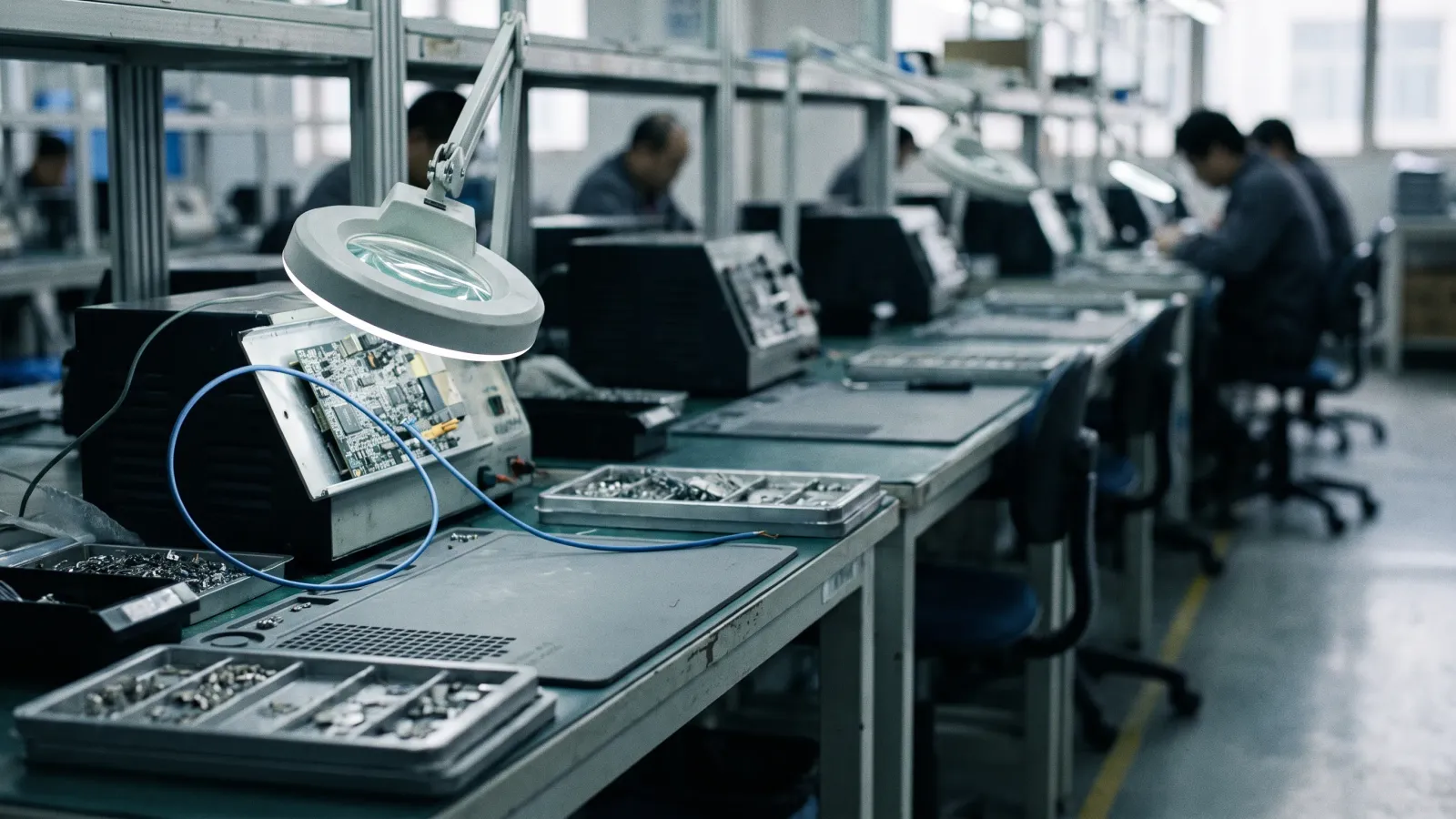
What do these companies have in common?
They sell products that need explanation, to potential customers who research carefully before they make contact. Their engineers know the answers those customers are looking for, but that knowledge rarely reaches the website, search results or AI assistants in a form that can be found and quoted.
- Several people influence each purchase, each with different questions
- Buying cycles are long and research-heavy
- Technical accuracy matters more than volume
- Standards, certificates and documentation are part of the decision
- Export markets require content in more than one language
How do we adapt content to each sector?
We adapt through question research, terminology and review. Each engagement starts with the questions that potential customers in that sector actually ask, uses the sector's own terminology from your documents, and is reviewed by your subject-matter expert. Standards and regulations are cited only after verification.
The sector's questions
Every engagement starts with the questions potential customers in that sector actually ask: from your sales team, search data and competitor research.
The sector's language
Terminology comes from your own documents; part numbers, standard names and units are written correctly.
Expert review
Technical content is approved by your subject-matter expert before publication; standards are cited only after verification.
When are we not the right partner?
We are not the right fit for consumer brands, for companies that want high-volume generic content, or for teams looking for guaranteed rankings. Our method depends on real technical knowledge and on an expert who can review it; without those, the output would be generic.
FAQ
Questions about industries
Whether we work outside the sectors listed, whether we need prior experience in your specific product area, and how we handle confidential information about your products and customers.
Our sector is not listed. Can you still work with us?
Most likely, yes. We talk to any industrial company whose products need explaining and whose expertise decides the sale. In the intro call we tell you openly whether our method fits you.
Do you need prior experience with our exact products?
We need to understand your technology well enough to structure it correctly, and your subject-matter expert remains the authority on technical accuracy. That combination is what keeps content both readable and correct.
How do you handle confidential product information?
We only publish what you approve. Confidential material can be used as background for understanding, is never published, and is covered by a confidentiality agreement signed before work starts.
Next step
Where does your technical expertise stand online today?
Start with a free intro call and visibility check. Before we talk, we look at your website, search presence and AI-search visibility; in the call we share what we found and which next step makes sense. No obligation.
Free · about 30 minutes · We reply personally and propose a time
- Human-led strategy
- Engineer-reviewed content
- Measured, not promised
Every engagement runs on the Vuerise Visibility Loop: a dated measurement on fixed questions, priorities set from the results, focused improvements, then the same questions measured again.